
Simple and Fun Life Cycle Activities for Toddlers


Life cycle activities for toddlers are a wonderful way to introduce big science ideas through small, hands-on experiences. At this age, kids are naturally curious about the world around them, especially when it involves animals, bugs, or plants they can see and touch.
Whether your toddler is asking where butterflies come from or why we plant seeds in the dirt, these moments offer the perfect chance to explore early biology in a simple, meaningful way.
The best part? You don’t need a science degree or a fancy curriculum. Life cycle activities can be as easy as reading a picture book, planting a flower, or crafting a frog with construction paper. These everyday learning opportunities spark imagination, build vocabulary, and gently lay the foundation for understanding nature and growth.
In this post, I’ll share some of my favorite toddler-friendly tips, ideas, and personal stories that bring the concept of life cycles to life in a fun and approachable way.

Why Teach Life Cycles to Toddlers?
If your toddler has ever followed an ant for five straight minutes or asked a million questions about a worm on the sidewalk, you already know—these little ones are so curious. They may not fully understand how the world works yet, but they notice everything. That curiosity makes toddlerhood the perfect time to introduce simple life cycle projects.
You don’t need to be a teacher or have a science background. Honestly, most of us are just figuring it out as we go. But with a few basic supplies (and a little patience!), you can help your toddler start to understand how living things grow and change.
Toddlers love hearing the same stories, singing the same songs, and seeing the same pictures over and over—and that repetition is exactly what makes life cycle activities stick. Whether you’re planting seeds in a paper cup or acting out how a caterpillar turns into a butterfly, you’re helping them make real-world connections in the most natural way.
And bonus: it’s really fun to watch their little faces light up when something finally clicks.
No need for perfection—just curiosity and a little playtime.
Life cycle learning happens in everyday moments. Follow your toddler’s lead, and you’ll both discover something new.
Real-Life Moments That Spark Curiosity
Last spring, my granddaughter spotted a ladybug crawling along the edge of our garden bed and immediately squatted down for a closer look. Instead of brushing it off or walking away, she paused—completely captivated. “Can I hold it?” she whispered.
That tiny interaction turned into a full-on obsession: we read books about ladybugs, made a simple ladybug craft, and even watched a short video that showed how they grow from eggs. She was hooked. Weeks later, she still brings up that moment whenever she sees one.
What surprised me most wasn’t just her excitement—it was how long it stuck with her. That spontaneous garden discovery sparked days of questions, play, and new words. And that’s the magic of toddler learning: real-life moments that turn into rich, meaningful conversations.
You don’t need a detailed lesson plan to make an impact. Just being present and curious alongside your toddler, whether you’re pulling weeds, flipping over rocks, or chasing bugs in the yard, can open the door to learning. Often, it’s those unexpected little moments that turn into the most memorable adventures.
Our Favorite Life Cycle Activities for Toddlers
Here are a few of our favorite tried-and-true ideas that make learning about life cycles engaging and developmentally appropriate for toddlers:

Butterfly Life Cycle Craft
Use pasta shapes (rice for eggs, shell pasta for the caterpillar, spiral pasta for the chrysalis, and bowtie pasta for the butterfly) to create a tactile life cycle craft. Toddlers can glue the pieces onto paper while you talk through each stage.

Life Cycle of a Bee Playdough Mats
Our free Life Cycle of a Bee Playdough Mats help toddlers learn about the life cycle of a bee through simple, hands-on play. Kids can form each stage with playdough while building fine motor skills and early science vocabulary. It’s an easy, low-prep way to explore life cycles at home or in the classroom.

Life Cycle of a Flower Sequencing Hat
Our free Life Cycle of a Flower Hat is a fun, hands-on craft that helps little ones explore how flowers grow—from seed to full bloom. Toddlers will love putting the pieces together and wearing their finished hat with pride. It’s a playful way to spark curiosity and make learning feel like play.
Tips for Success
Life cycle activities don’t have to be perfect to be meaningful. Keep these simple tips in mind to make the most of your time together:
- Keep it short and sweet. Toddlers learn best in 5–10 minute chunks.
- Repeat often. Repetition helps reinforce new concepts in a natural way.
- Follow their lead. If they’re curious about bugs, start there!
- Use hands-on materials. Playdough, pictures, and props go a long way.
- Don’t worry about getting it “right.” Focus on fun and connection over accuracy.
- Talk as you go. Describing what you’re doing builds vocabulary and understanding.
Short on time? That’s okay.
Even five minutes spent exploring a butterfly’s life or planting a seed can spark a big sense of wonder in your little one.
Looking for More? Try These Life Cycle Activities
Looking for more ways to explore life cycles with your toddler? Here are some creative activities and printables from other sites that build on the fun while keeping things simple and hands-on.


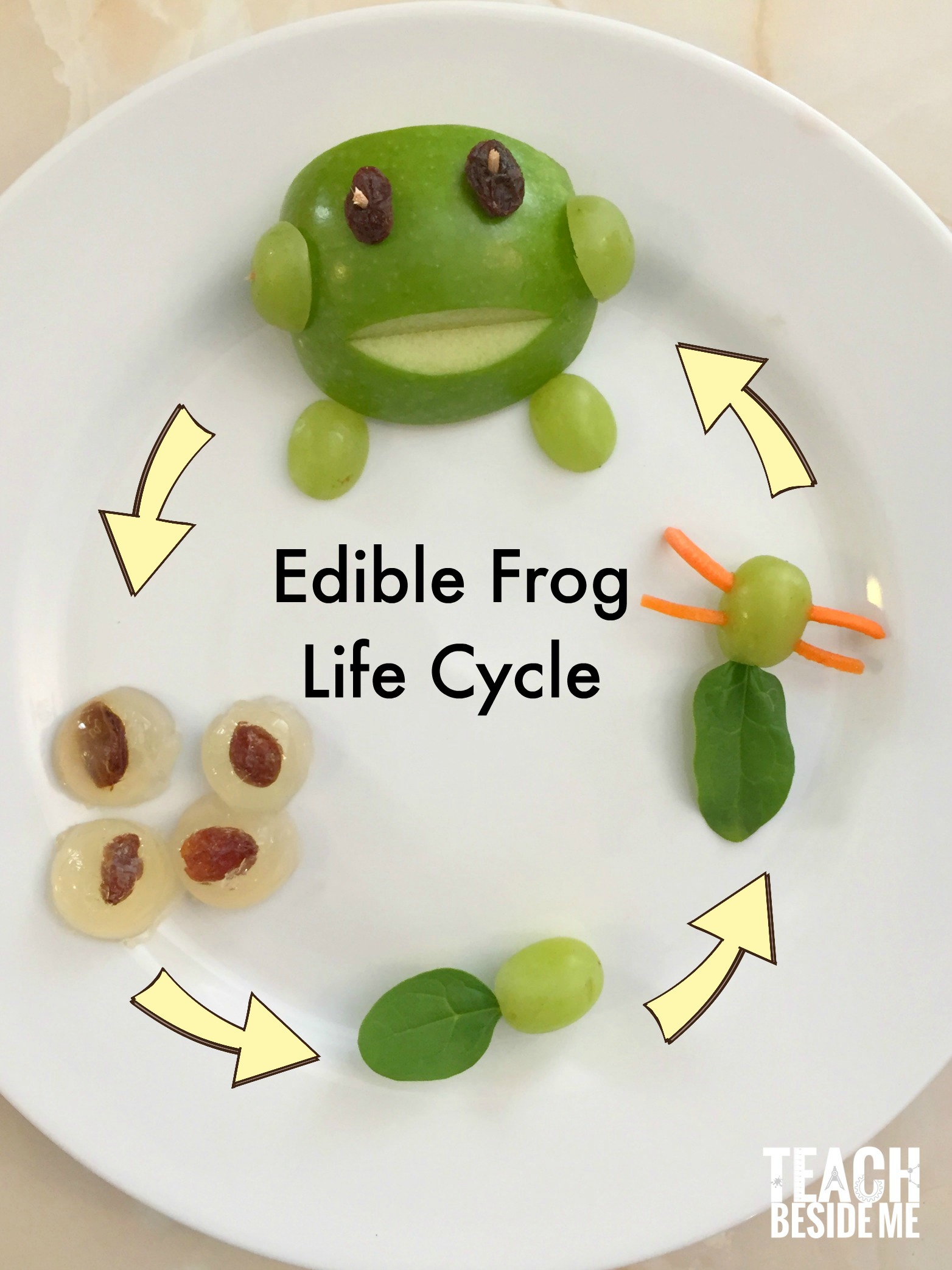
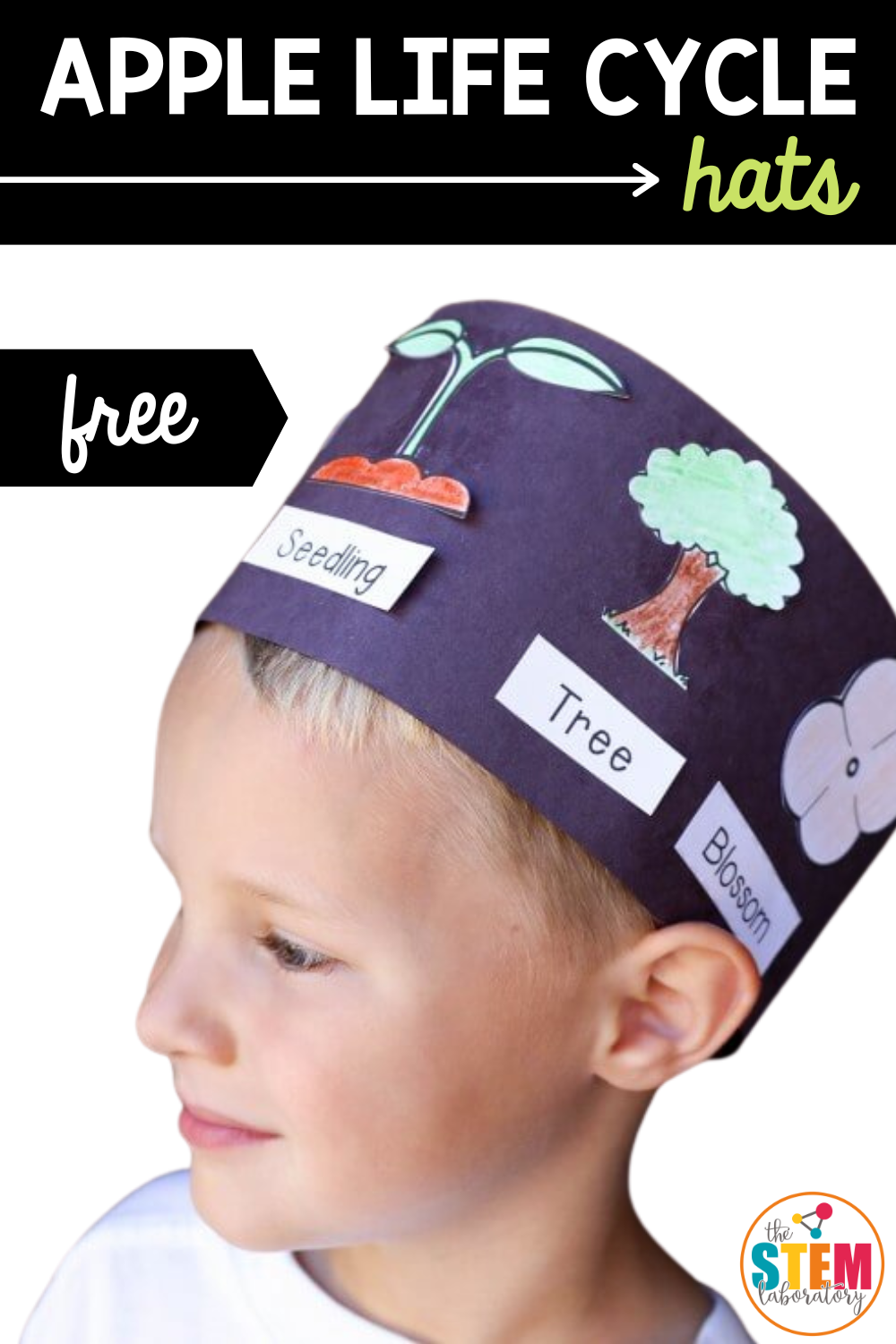
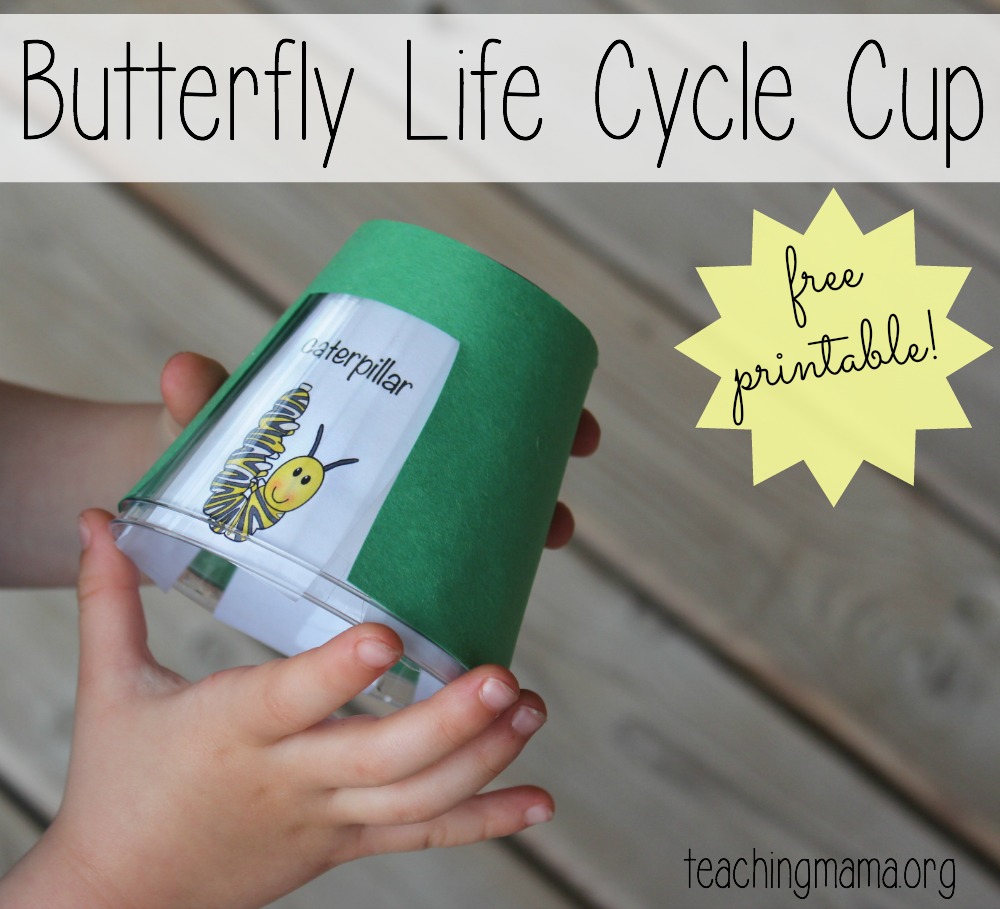

Teaching toddlers about life cycles doesn’t have to be complicated. With a few simple materials and a little curiosity, you can turn everyday moments into meaningful learning experiences. Whether you’re crafting a butterfly necklace, playing with a sensory bin, or making a fun snack together, these activities help little ones connect with the world around them in ways they’ll remember.
Follow your toddler’s lead, keep things light and playful, and don’t worry about getting everything perfect. The goal is to spark wonder, build vocabulary, and make learning feel like part of your everyday routine. And who knows—you might just learn something new right alongside them.

Tara is the brains behind Homeschool Preschool, where her journey from preschool and public school teacher to homeschooling mom of three fuels her passion for early childhood education. With a blend of expertise and firsthand experience, Tara’s writings offer practical tips and engaging resources to support families in creating meaningful learning adventures at home.


