
Best Frog Life Cycle Books for Preschool and Kindergarten

Frog life cycle books are a fun way to teach young children about how animals grow and change. For ages 3–5, these books make science simple and easy to understand.
Children learn how a frog goes from egg to tadpole to adult. This helps build sequencing, vocabulary, and early science skills. Stories and real photos keep kids interested and curious.
You will find engaging preschool books that work well for circle time, science lessons, and quiet reading at home. These books help young learners see each stage clearly and build a strong foundation in early science.

What are the best frog life cycle books for preschool?
The best frog life cycle books for preschool include simple text, clear pictures, and real-life photos. Top choices like From Tadpole to Frog and Frog by Gail Gibbons help children ages 3–5 understand each stage in a clear and engaging way.
Why Teach the Frog Life Cycle in Preschool
Teaching the frog life cycle helps children ages 3–5 understand how animals grow and change. It builds early science knowledge in a simple and clear way.
Children also practice sequencing skills using words like first, then, and last. They learn the order from egg to tadpole to frog.
This topic introduces basic science vocabulary like egg, tadpole, and frog. These words help children talk about what they are learning.
What to Look for in Frog Life Cycle Books
Choose frog books with short sentences and simple words. This helps young children understand the story and stay focused.
Look for clear pictures or real photos. Visuals help children see each stage and make learning easier.
The book should show all four stages: egg, tadpole, froglet, and frog. This helps children understand the full life cycle.
Pick books that are fun and engaging for read-aloud time. Repetition, rhythm, or interesting facts help keep children interested.

Frog Life Cycle Books for Preschool & Kindergarten
These books are perfect for helping young children learn each stage in a simple and engaging way. They include clear pictures, easy words, and real photos that support understanding. These choices work well for preschool and kindergarten during circle time, science lessons, or quiet reading.
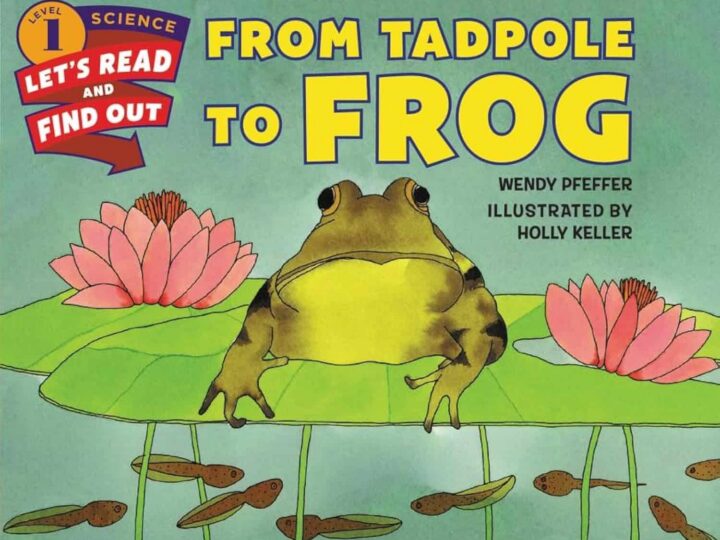
From Tadpole to Frog is a great first book to introduce the frog life cycle to young children. The text is simple and easy to follow, which makes it a good fit for preschool and kindergarten. Each page focuses on one stage, helping children understand the process step by step.
The book uses real photos to show each stage clearly. Children can see what eggs, tadpoles, and frogs look like in real life. It also includes simple facts that are easy for young learners to understand and remember.
This book is a strong choice for a first introduction to life cycles. It keeps learning clear, visual, and engaging for ages 3–5.
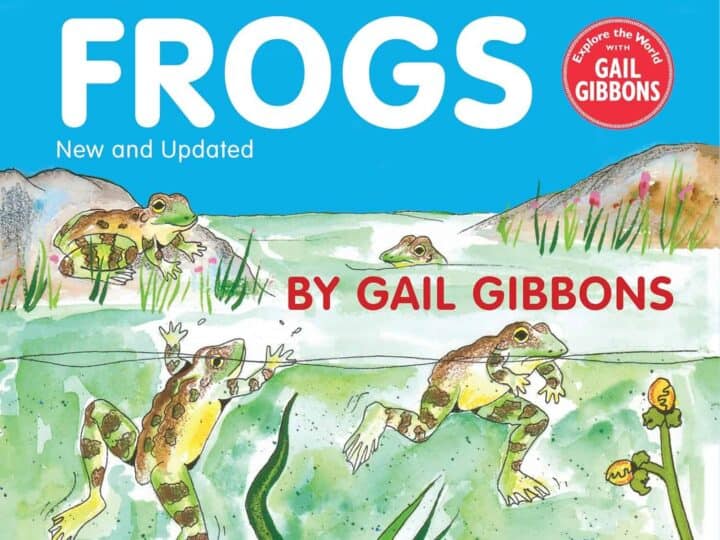
Frogs by Gail Gibbons shares detailed information in a way that is still simple and easy for young children to understand. The text explains the frog life cycle step by step while also teaching extra facts about how frogs live and grow.
The book includes clear, labeled diagrams that show each stage of the life cycle. These visuals help children connect the words to what they see, which supports understanding.
This book is a great choice for slightly older preschoolers who are ready for a little more information while still enjoying clear and engaging pictures.
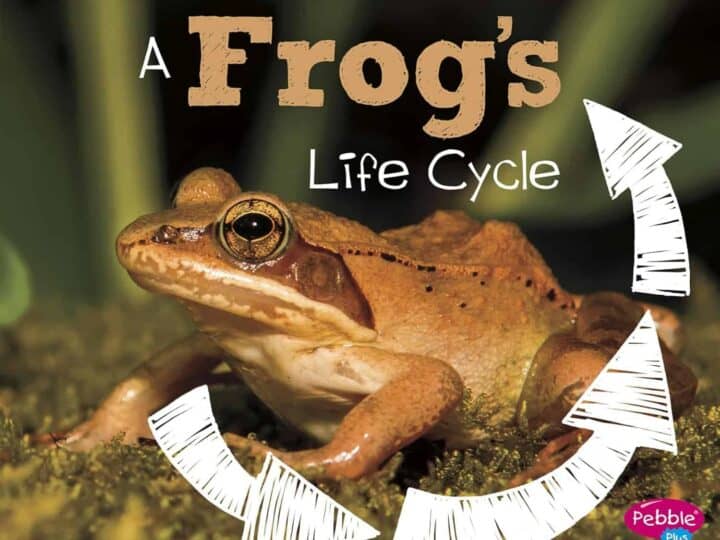
A Frog’s Life Cycle by Mary R. Dunn follows a clear step-by-step structure that is easy for young children to understand. Each stage is introduced in order, helping children see how a frog grows and changes over time.
The simple layout makes this book a great choice for teaching sequencing. Children can easily follow along and use words like first, next, and last as they learn each stage of the life cycle.
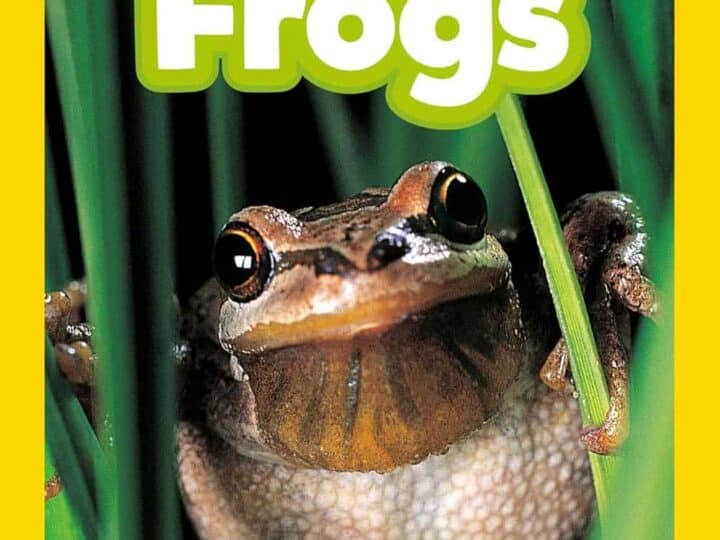
National Geographic Readers: Frogs! uses real photos to show frogs in a bright and exciting way. The images help children see details and stay interested while learning.
The book is highly engaging, with fun facts and lively text that keep kids focused. It works especially well for children who love animals and want to learn more about them.
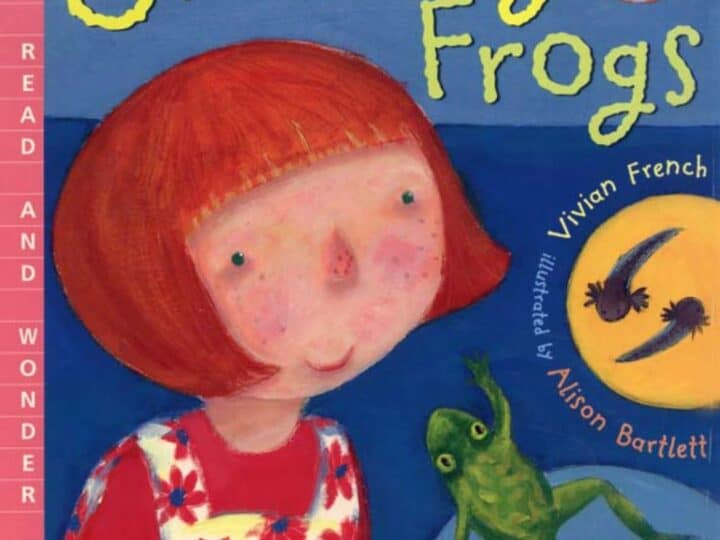
Growing Frogs by Vivian French teaches the frog life cycle through a simple story. The story style makes it easy for young children to follow along and stay engaged.
This book offers a gentle introduction to life cycles. It helps children understand how frogs grow and change in a calm and easy way, which is perfect for preschool learners.
How to Use These Books in the Classroom or at Home
Read a book during circle time to introduce the topic. Keep it interactive by asking simple questions about what children see on each page.
Use the book before starting a life cycle activity. This helps children understand the stages before they try it on their own.
Pair the books with crafts or sequencing cards. For example, children can put the stages in order after reading.
Easy Frog Life Cycle Activities to Pair with These Books
Use frog life cycle printables to help children put the stages in order. Encourage them to say first, next, and last as they work.
Make a simple paper plate frog craft. Children can color and create their own frog while talking about the life cycle.
Set up a sensory bin with water and toy frogs. Add items like small rocks or plants to make it feel like a pond.
Have children draw each stage of the frog life cycle. Keep the activity simple and let them explain their drawings in their own words.
FAQs About Life Cycle of a Frog Books
Frog life cycle books are great for children ages 3–5. These books use simple words and pictures to help young learners understand how frogs grow and change over time.
Use simple steps like egg, tadpole, froglet, and frog. Read a book, show pictures, and use hands-on activities. Keep explanations short and clear so children can follow along easily.
Yes, they are perfect for early science learning. They teach sequencing, vocabulary, and observation skills. Books also help children understand real-world animal changes.
Yes, frog life cycle books work well for circle time. Choose short, engaging books with clear pictures. Ask simple questions to keep children involved during reading.

Frog life cycle books are a simple and engaging way to introduce early science concepts to young children. They help build understanding of how animals grow while also supporting sequencing and vocabulary skills.
With the right books and a few hands-on activities, children can explore each stage in a fun and meaningful way. These learning moments help build curiosity and confidence in early science learning.

Tara is the brains behind Homeschool Preschool, where her journey from preschool and public school teacher to homeschooling mom of three fuels her passion for early childhood education. With a blend of expertise and firsthand experience, Tara’s writings offer practical tips and engaging resources to support families in creating meaningful learning adventures at home.


