
Spring Books for Preschoolers

Spring books for preschoolers help children ages 3–5 explore seasonal changes through simple language, engaging illustrations, and familiar themes like flowers, animals, and weather.
This curated list of preschool books is designed to help parents and teachers quickly find age-appropriate spring reads that support early learning, build vocabulary, and keep young children engaged during read-aloud time.

Best Spring Books for Preschoolers
The best spring books for preschoolers feature simple language, bright illustrations, and seasonal themes like flowers, animals, and weather. Popular choices include interactive stories, rhyming books, and nature-based reads that help young children explore spring concepts in a fun, engaging way.
What Makes a Good Spring Kids’ Books
A good spring book for young children focuses on simple language, clear visuals, and familiar seasonal themes that young children can easily understand. Books that include repetition, rhyming text, or predictable patterns are especially effective for ages 3–5 because they support early language development and engagement.
Look for spring season books that highlight topics preschoolers recognize, such as flowers blooming, baby animals, rainy weather, and outdoor play. The best choices also keep stories short and visually engaging, helping children stay focused while connecting what they read to the world around them.
How to Choose the Right Book for Your Preschooler
| Book Type | Best For | Example Themes | Why It Works for Preschoolers |
|---|---|---|---|
| Rhyming & Repetitive Books | Read-aloud time, group settings | Weather, animals, spring activities | Builds language skills and keeps attention through predictable patterns |
| Simple Story Books | One-on-one reading, bedtime | Seasonal changes, outdoor play | Easy to follow with clear beginning, middle, and end |
| Nonfiction Spring Books | Early learning, curiosity | Plants, life cycles, weather | Helps preschoolers connect real-world spring changes to what they see |
| Interactive or Character Books | Engagement, reluctant listeners | Familiar characters, gardening, animals | Keeps kids interested through recognition and participation |
| Early Learning Books (Counting/Concepts) | Skill-building (numbers, vocabulary) | Counting flowers, colors, shapes | Reinforces foundational skills while staying on theme |
| Short Read-Aloud Books | Quick reading sessions, classrooms | Baby animals, rain, growth | Matches short attention spans and fits into daily routines |
Books About Spring for Preschoolers
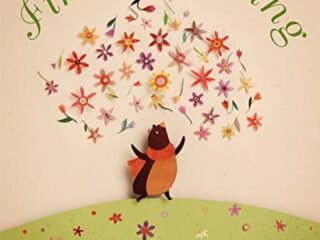
A beautifully illustrated story that follows a young bear searching for signs of spring, even when it still feels like winter. The simple text and collage-style artwork make it engaging and easy for preschoolers to follow.
This book works especially well for ages 3–5 because it introduces seasonal change in a gentle, visual way while reinforcing observation and patience.
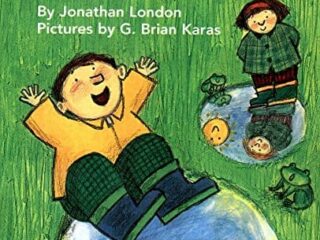
A playful, rain-filled story that follows a child enjoying the simple fun of jumping in puddles. The rhythmic text and lively illustrations make it especially engaging for preschoolers during spring weather.
This book is ideal for ages 3–5 because it captures a familiar spring experience while encouraging sensory play, movement, and excitement about rainy days.
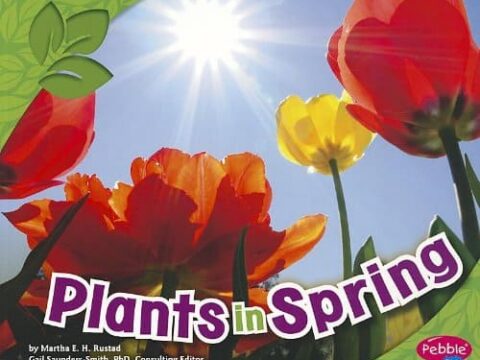
A simple nonfiction book that introduces how plants grow and change during the spring season. The clear text and real-life images make it easy for preschoolers to understand basic plant concepts.
This book is ideal for ages 3–5 because it supports early science learning while connecting spring themes like flowers, sunlight, and growth to what children see in their everyday environment.
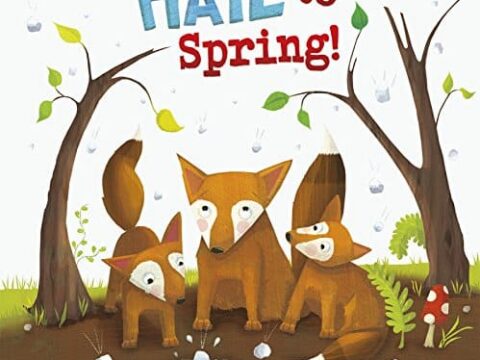
A cheerful, rhyming book that celebrates the arrival of spring through playful language and woodland animal scenes. The short, rhythmic text makes it easy for preschoolers to follow and participate during read-aloud time.
This book is a strong fit for ages 3–5 because it builds early language skills while introducing seasonal changes in a fun, engaging way.
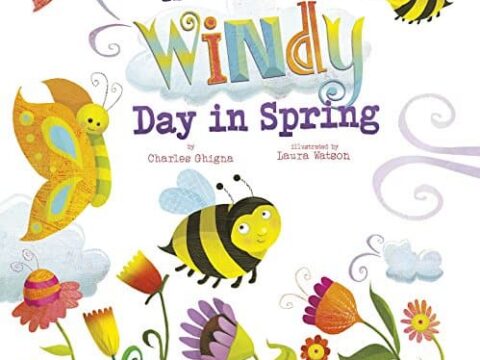
A light, rhyming story that explores a breezy spring day filled with flying kites, buzzing bees, and swaying flowers. The simple text and cheerful illustrations keep preschoolers engaged.
This book is a great fit for ages 3–5 because it introduces spring weather concepts while supporting early language development through rhythm and repetition.
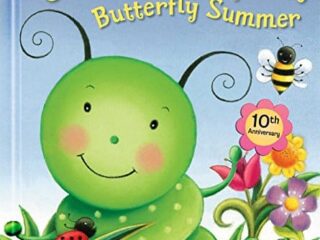
A bright, simple introduction to the butterfly life cycle, following a caterpillar as it changes with the seasons. The clear progression and colorful illustrations make it easy for preschoolers to understand.
This book is ideal for ages 3–5 because it introduces basic science concepts while connecting spring themes like growth, change, and nature in a way young children can easily follow.
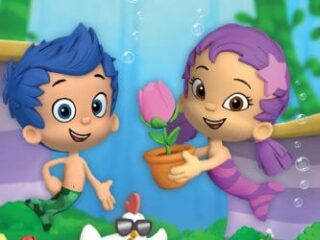
A fun, character-based story featuring familiar Bubble Guppies characters as they explore springtime themes like planting flowers and caring for animals. The simple structure keeps young readers engaged.
This book works well for ages 3–5 because it combines recognizable characters with basic spring concepts, making it especially appealing for preschoolers who enjoy interactive and familiar stories.
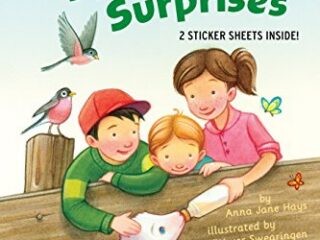
An easy early reader that introduces spring through baby animals, farm life, and seasonal changes. The simple sentences and familiar vocabulary make it accessible for young learners.
This book is best for ages 4–6, especially preschoolers who are beginning to recognize words and build early reading confidence while exploring spring themes.
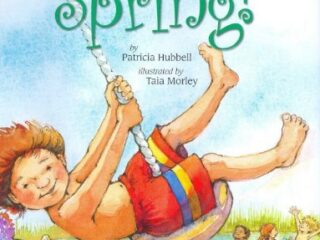
A lively, rhyming book that celebrates all the fun of spring, from outdoor play to blooming flowers and buzzing insects. The upbeat rhythm makes it perfect for read-aloud time.
This book is a great fit for ages 3–5 because it captures familiar spring activities while building language skills through repetition and engaging, energetic text.
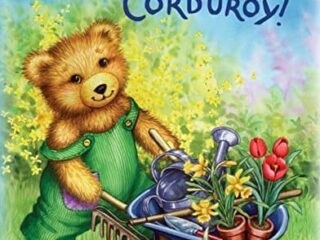
A familiar character story that follows Corduroy as he explores spring through gardening, planting flowers, and outdoor play. The simple storyline makes it easy for preschoolers to follow.
This book is a strong choice for ages 3–5 because it connects spring themes to everyday activities while keeping young children engaged with a well-known and comforting character.
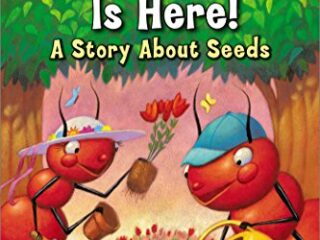
A simple, engaging story that follows ants as they plant seeds and watch them grow, introducing basic concepts of planting and plant life cycles. The combination of story and early science makes it easy for preschoolers to understand.
This book works well for ages 3–5 because it connects spring themes like seeds and growth with a clear, easy-to-follow storyline that supports both learning and engagement.
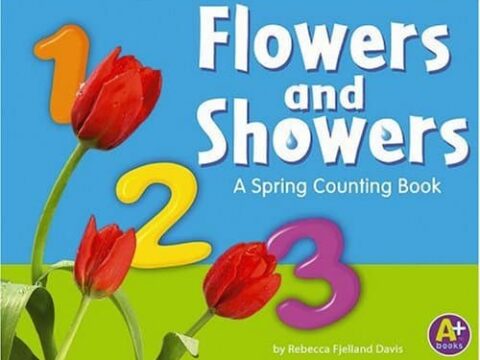
A simple counting book that uses spring themes like flowers and rain to introduce early math concepts. The bright visuals and clear number progression make it easy for preschoolers to follow along.
This book is ideal for ages 3–5 because it combines basic counting skills with familiar spring imagery, helping young children build early math confidence through repetition and visual learning.
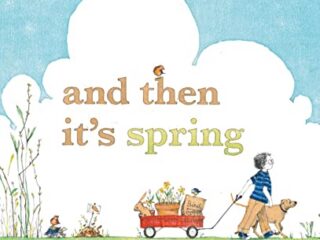
A gentle, poetic story that follows a child waiting for the signs of spring to appear after winter. The minimal text and soft illustrations help preschoolers notice small seasonal changes.
This book is a great fit for ages 3–5 because it introduces patience and observation while showing how spring slowly arrives through everyday details children can recognize.
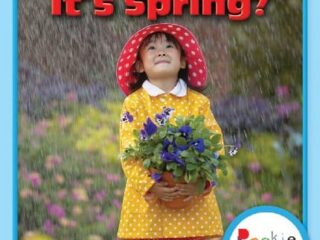
A clear, nonfiction book that explains the signs of spring, including weather changes, plant growth, and animal activity. The straightforward text and real-life images make it easy for preschoolers to understand.
This book is ideal for ages 3–5 because it helps children recognize real-world signs of spring while building early science knowledge through simple explanations and visuals.
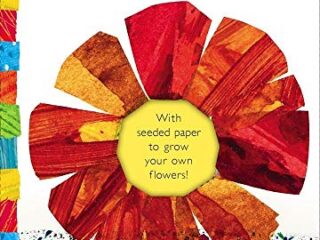
A classic story that follows a tiny seed as it travels through the seasons and grows into a flower. The simple narrative and bold collage illustrations make it highly engaging for young children.
This book is ideal for ages 3–5 because it introduces the plant life cycle in a clear, memorable way while reinforcing key spring themes like growth, change, and nature.
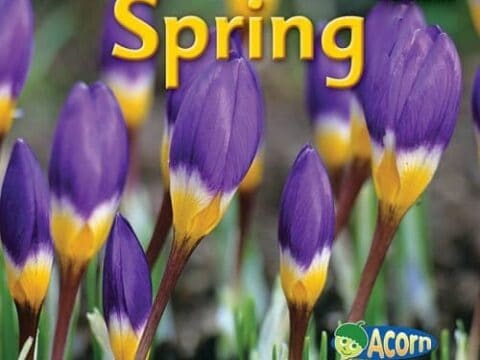
A simple nonfiction book that introduces the spring season through clear photos and basic text about weather, plants, and seasonal changes. The real-life images help preschoolers connect what they read to what they see outside.
This book is a strong fit for ages 3–5 because it builds early science understanding while reinforcing recognizable signs of spring in a straightforward, easy-to-follow format.
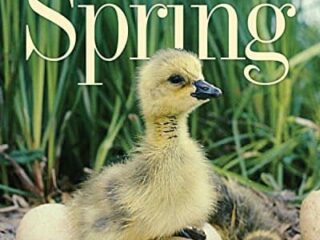
A visually rich nonfiction book that introduces spring through real-life photos of animals, plants, and seasonal changes. The simple text paired with vivid imagery keeps preschoolers engaged.
This book is ideal for ages 3–5 because it helps children connect spring concepts to the real world while building early science knowledge through clear visuals and recognizable examples.
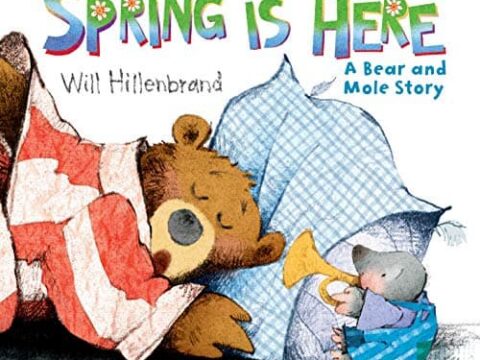
A charming story about a mole trying to wake a sleepy bear who isn’t quite ready for spring. The gentle humor and soft illustrations make it engaging for young children.
This book is a great fit for ages 3–5 because it introduces concepts like hibernation and seasonal change while keeping preschoolers interested through simple storytelling and relatable characters.
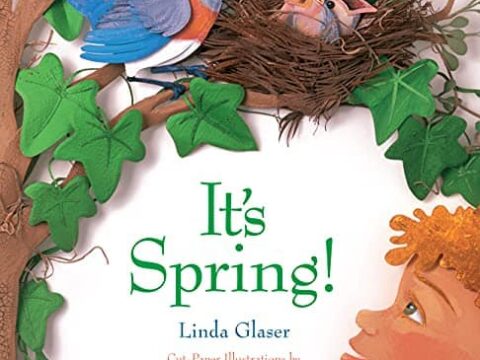
A gentle, observation-based story that follows signs of spring like birds nesting, plants growing, and weather changing. The cut-paper illustrations add visual interest while keeping the story simple.
This book is ideal for ages 3–5 because it encourages preschoolers to notice real-life signs of spring while building early science awareness through calm, easy-to-follow text.
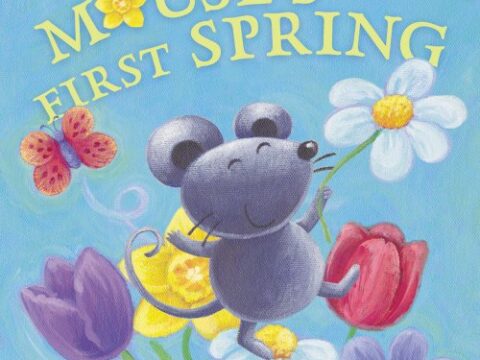
A sweet, repetitive story that follows a little mouse discovering the sights and sounds of spring for the first time. The simple questions and answers keep preschoolers engaged.
This book is a great fit for ages 3–5 because it encourages curiosity and observation while introducing basic spring concepts through repetition and gentle storytelling.

A simple, imaginative story that follows a small cloud drifting through the sky and changing shapes. The minimal text and recognizable visuals make it easy for preschoolers to engage with.
This book is a great fit for ages 3–5 because it introduces basic weather concepts while encouraging creativity and observation through familiar cloud shapes and gentle storytelling.
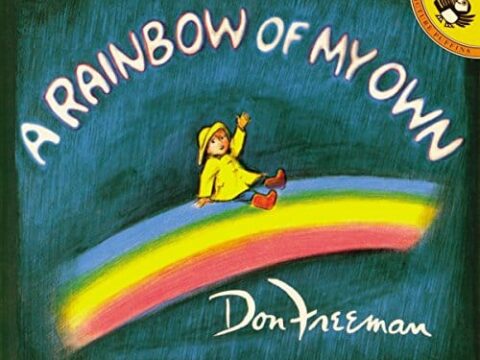
A gentle, imaginative story about a child who wishes for a rainbow of his own after a rainy day. The soft illustrations and simple storyline make it easy for preschoolers to follow.
This book is a strong fit for ages 3–5 because it connects spring themes like rain and rainbows with creativity and imagination, helping young children explore both nature and storytelling.
FAQs About Spring-Themed Books
The best spring books for preschoolers include simple stories with bright illustrations and seasonal themes like flowers, rain, and animals. Look for books with repetition, rhymes, and interactive elements to keep young children engaged during reading time.
Choose books with simple language, engaging visuals, and short storylines. Preschoolers benefit from repetition, predictable patterns, and themes they can relate to, like nature, animals, and everyday experiences.
Yes, spring books are great for preschool classrooms, especially during circle time. They help introduce seasonal concepts, support vocabulary development, and keep young learners engaged with visual and interactive storytelling.
Themes like flowers, baby animals, weather changes, and outdoor play work best. These topics are familiar and visually engaging, making it easier for preschoolers to understand and connect with the content.

Spring books for preschoolers make it easier for young children ages 3–5 to understand seasonal changes through simple stories, engaging visuals, and familiar themes like flowers, animals, and weather. Choosing the right preschool books helps build early language skills while keeping reading time enjoyable and age-appropriate.
Use this list to find spring books that match your child’s interests, whether you’re looking for read-aloud favorites, early learning books, or simple stories that highlight the signs of spring. The best books are the ones that keep preschoolers engaged while helping them connect what they read to the world around them.

Tara is the brains behind Homeschool Preschool, where her journey from preschool and public school teacher to homeschooling mom of three fuels her passion for early childhood education. With a blend of expertise and firsthand experience, Tara’s writings offer practical tips and engaging resources to support families in creating meaningful learning adventures at home.


2 Comments