
19 Spring Science Activities for Preschoolers That Are Easy and Fun

Spring science experiments for preschoolers are a fun way to explore the world during ages 3–5. Children learn best by touching, observing, and asking questions.
These simple experiments help build early science skills like observation, prediction, and problem solving. They also support fine motor skills and language development.
In this list, you will find easy spring science activities you can do at home or in the classroom with simple materials.

What are easy spring science experiments for preschoolers?
Easy spring science experiments for preschoolers include hands-on activities like growing seeds, making rain clouds, exploring bugs, and mixing colors. These simple experiments use everyday materials and help children ages 3–5 practice observation, prediction, and early science skills in a fun way.
Spring Science Experiments
Ready to jump into the fun? Below, you’ll find a list of easy and fun spring science activities perfect for curious kids of all ages. Each one is simple to set up and full of hands-on learning. Just click the links to get all the step-by-step directions. Let’s make some springtime magic happen!

Seed and Plant Experiments
Spring is the perfect time for preschoolers ages 3–5 to explore how seeds grow into plants. Children can watch changes happen as they water and care for their plants each day.
These simple experiments help build observation skills, patience, and an understanding of what plants need to grow. They also support fine motor skills through hands-on planting.
Try these easy seed and plant activities to help children learn about nature in a fun and meaningful way.
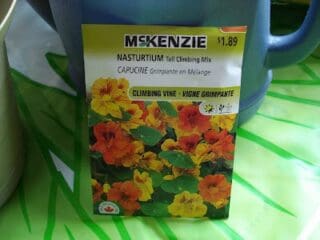
Planting flowers is a simple spring science experiment that helps preschoolers learn how plants grow. Children can place seeds in soil, water them, and watch changes over time. This activity builds observation skills, patience, and an early understanding of plant life cycles.
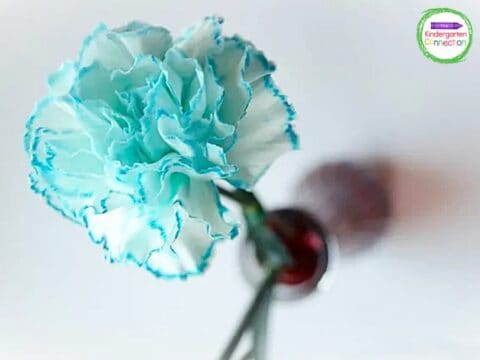
This color changing flower experiment is a fun way for preschoolers to see how plants absorb water. Children place a white flower in colored water and watch the petals change color over time. This activity builds observation skills and introduces basic plant science concepts in a simple way.
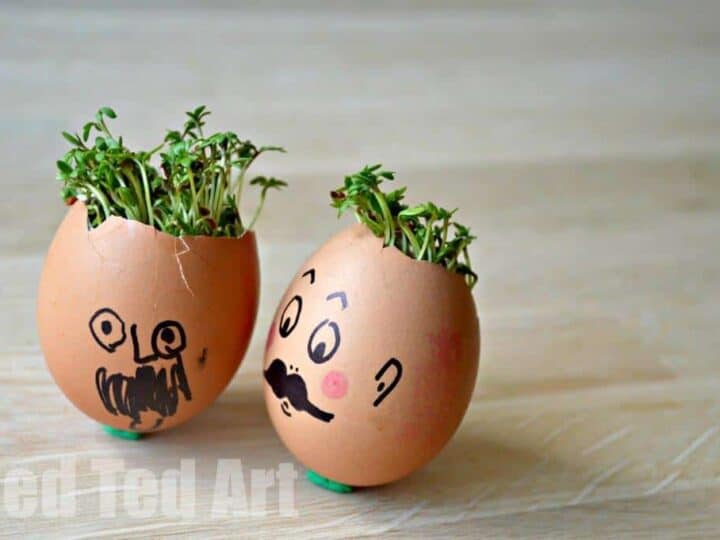
This fun growing experiment lets preschoolers plant cress seeds in eggshells and watch them sprout like hair. Children can water the seeds daily and observe changes as they grow. This activity builds responsibility, observation skills, and introduces how plants need water and light to grow.
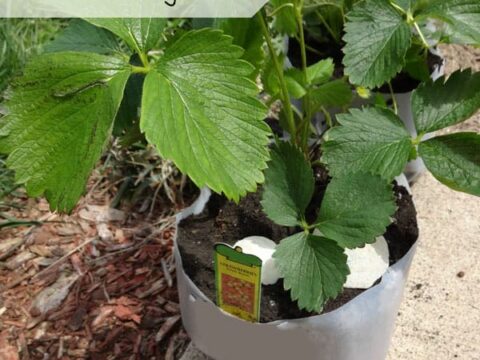
This simple spring science activity lets preschoolers turn a recycled milk jug into a planter. Children can add soil, plant seeds, and care for their plants as they grow. This activity teaches plant needs, builds responsibility, and encourages hands-on learning about nature.
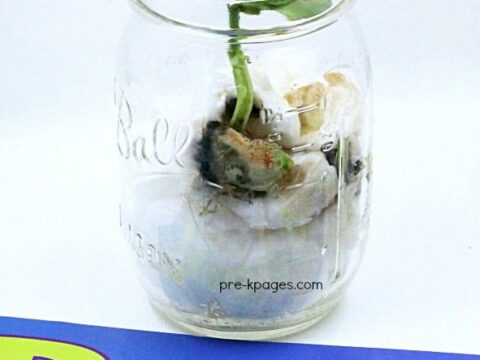
Growing beans is a classic spring science experiment for preschoolers that shows how plants grow step by step. Children place a bean in soil or a clear cup and watch roots and shoots appear. This activity builds observation skills and helps children understand basic plant life cycles.
Weather and Rain Experiments
Spring is a great time to explore weather and rain with preschoolers ages 3–5. Children can see changes in clouds, wind, and rain all around them.
These simple experiments help children learn about cause and effect while building observation and prediction skills. They also encourage curiosity about the world outside.
Try these easy weather activities to help children explore rain, clouds, and wind in a hands-on way.

This rain cloud in a jar experiment helps preschoolers see how rain falls from clouds. Children add colored water to a “cloud” of shaving cream and watch it drip down like rain. This activity builds observation skills and introduces basic weather concepts in a fun, visual way.

This simple rain gauge experiment helps preschoolers measure how much it rains. Children can place the container outside and check the water level after it rains. This activity builds observation and early math skills while teaching children about weather and measurement.
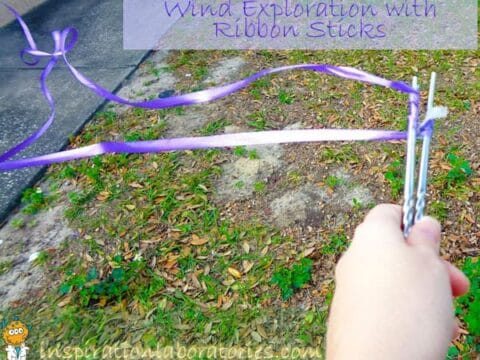
This simple wind experiment helps preschoolers see how wind moves. Children can hold ribbon sticks outside and watch how the ribbons blow in different directions. This activity builds observation skills and introduces basic weather concepts through active play.
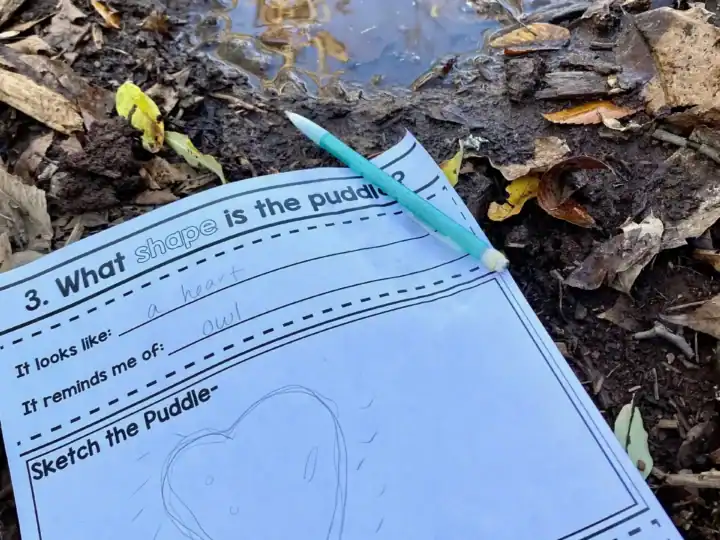
This simple outdoor science activity helps preschoolers explore puddles after it rains. Children can look closely, draw what they see, and talk about shapes and reflections. This activity builds observation skills, early writing, and encourages curiosity about weather and water.
Bug and Nature Experiments
Spring is a great time for preschoolers ages 3–5 to explore bugs and nature up close. Children can look for insects, watch how they move, and observe plants and outdoor changes.
These simple activities help build observation skills and encourage curiosity about living things. They also support language development as children describe what they see.
Try these easy bug and nature experiments to help children learn about the world around them through hands-on exploration.
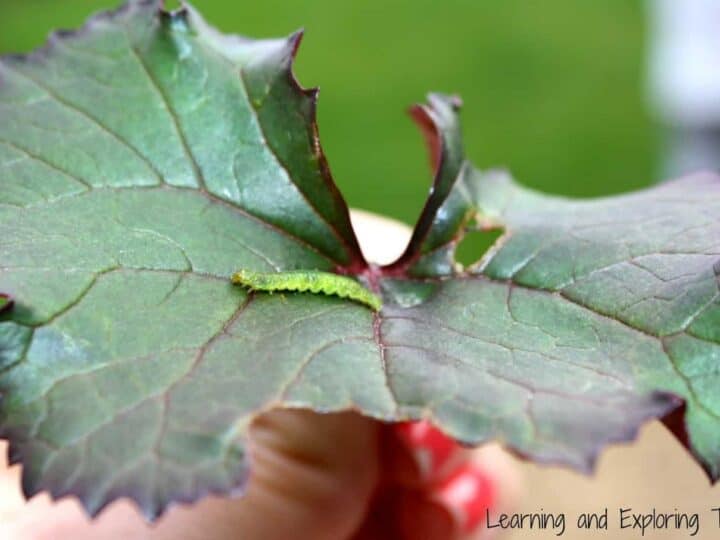
This simple nature experiment encourages preschoolers to search for caterpillars on leaves and plants. Children can observe how caterpillars move and what they eat. This activity builds observation skills and introduces early concepts about insects and life cycles.
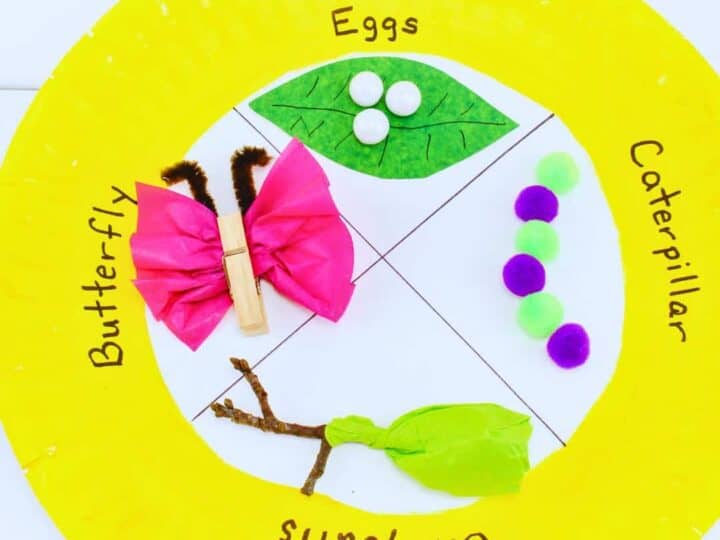
This simple butterfly life cycle activity helps preschoolers learn how a caterpillar grows into a butterfly. Children can create each stage and talk about the changes that happen. This activity builds sequencing skills and introduces basic life cycle concepts in a hands-on way.
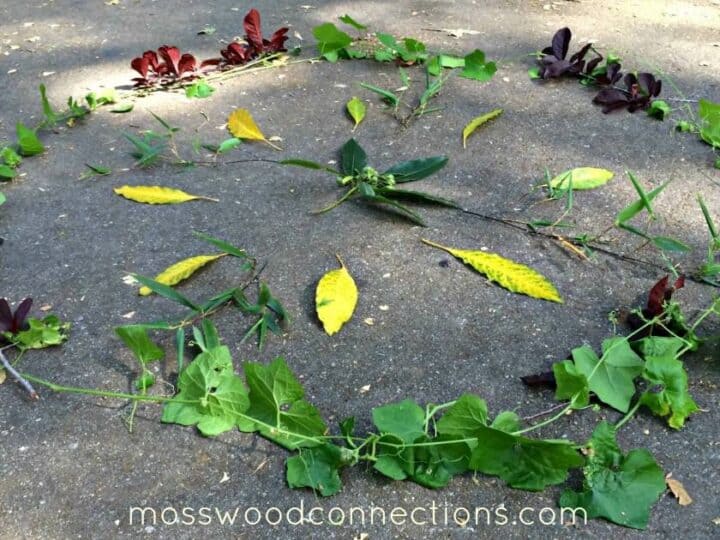
This simple nature activity encourages preschoolers to collect leaves, sticks, and flowers to create a mandala design. Children can arrange items in patterns and talk about colors and shapes. This activity builds observation skills and introduces early concepts of patterns and nature exploration.
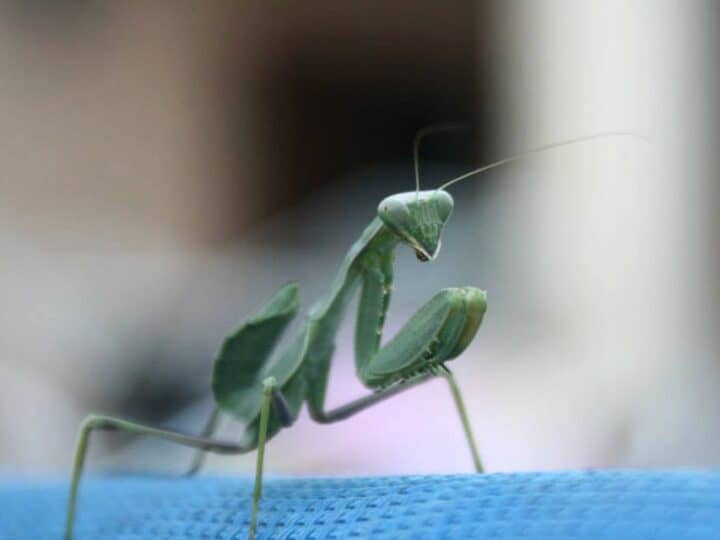
This simple nature activity encourages preschoolers to observe a praying mantis up close. Children can watch how it moves and talk about its body parts and behavior. This activity builds observation skills and introduces early concepts about insects and living things.
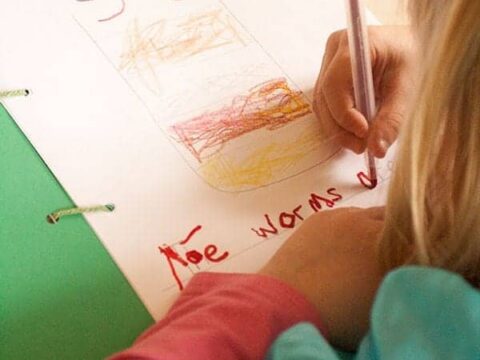
This simple science activity encourages preschoolers to observe worms and draw what they see. Children can record their observations with pictures and simple words. This activity builds observation skills, early writing, and helps children learn about living things in nature.
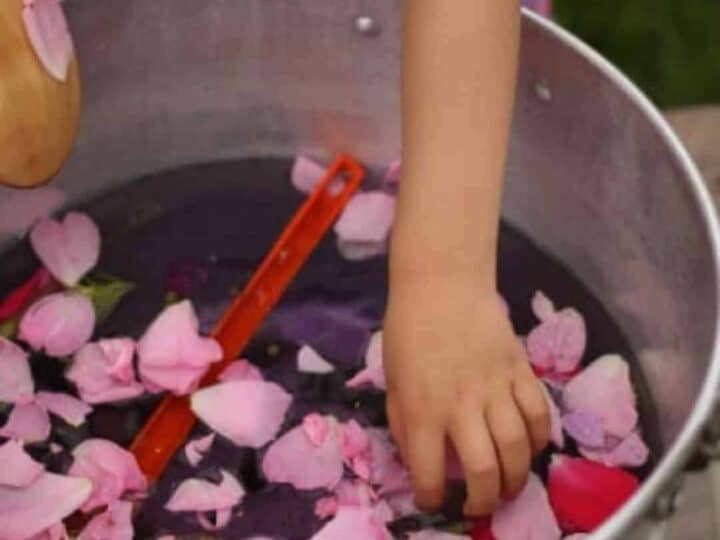
This simple sensory science activity lets preschoolers explore flowers and water through hands-on play. Children can mix petals, scoop water, and observe colors and textures. This activity builds fine motor skills and encourages exploration using the senses.
Simple Spring Science Experiments
Simple spring science experiments are perfect for preschoolers ages 3–5 who love to explore and test ideas. These activities use everyday materials and are easy to set up at home or in the classroom.
Children can make predictions, test what happens, and observe changes as they play. These experiments help build problem solving, observation, and early science skills.
Try these easy experiments to help children learn through hands-on discovery and fun.
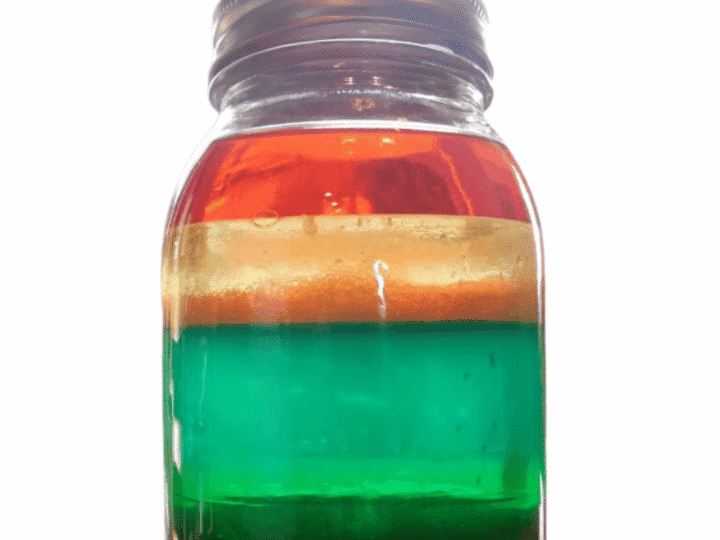
This colorful science experiment lets preschoolers explore how liquids can stack in layers. Children pour different liquids into a jar and watch as each layer settles without mixing. This activity builds observation skills and introduces simple concepts about density in a fun and visual way.
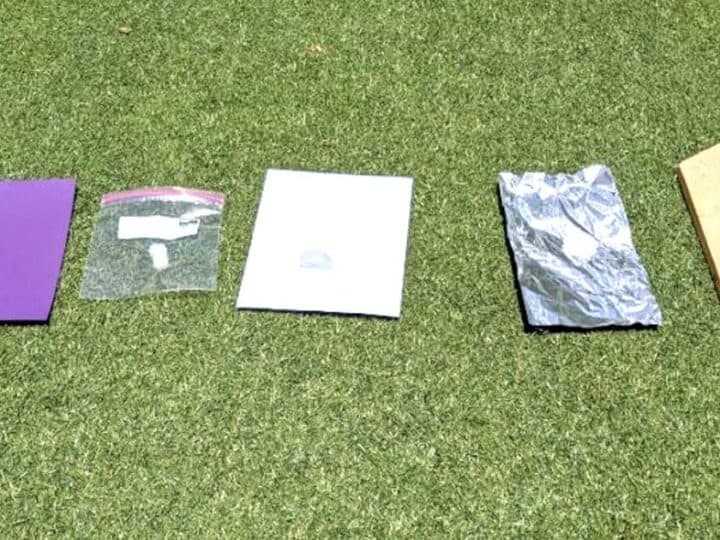
This simple science experiment lets preschoolers test how ice melts in different conditions. Children can place ice on different materials and observe what happens over time. This activity builds prediction and observation skills while introducing basic concepts about temperature and change.
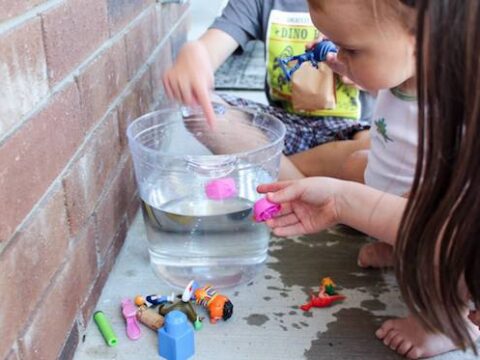
This easy science experiment helps preschoolers explore which objects sink or float in water. Children can make predictions and test different items to see what happens. This activity builds observation and prediction skills while introducing basic science concepts in a hands-on way.
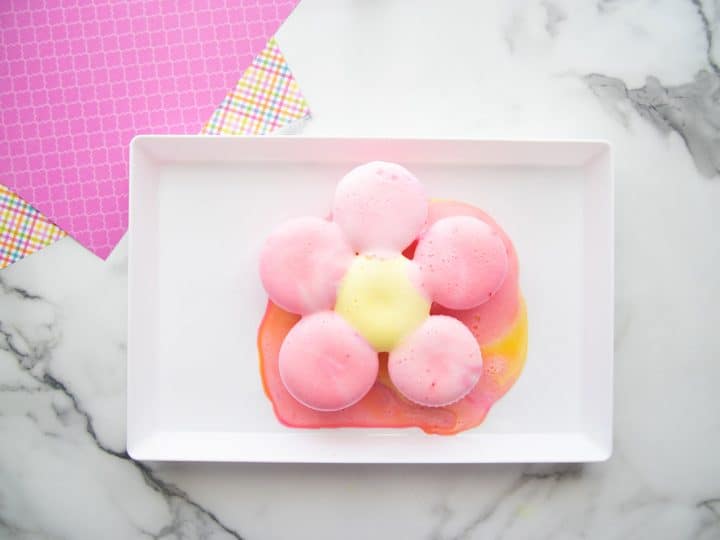
This fun spring science experiment lets preschoolers create a fizzy reaction using simple materials. Children can add liquid to the flower and watch it bubble and change. This activity builds observation skills and introduces basic concepts about chemical reactions in a playful way.
Tips for Doing Science with Preschoolers
Doing science with preschoolers ages 3–5 should be simple, fun, and hands-on. Young children learn best when they can explore and try things on their own.
Use clear and simple language so children can understand what to do. Give them time to explore materials and make discoveries without rushing.
Ask open-ended questions to encourage thinking and curiosity. Focus on the process instead of the result so children enjoy learning and experimenting.
Example sentence:
“Ask questions like ‘What do you think will happen next?’ to help children think and explore.”
FAQ: Spring Science Experiments for Kids
Simple spring science experiments include growing seeds, making rain clouds, and testing sink or float. These activities use basic materials and help preschoolers learn through hands-on exploration.
Science experiments help preschoolers build observation, prediction, and problem solving skills. They also support curiosity and language development through hands-on learning.
Most preschool science experiments should take 10 to 20 minutes. Short activities match young children’s attention spans and keep them engaged

Spring is such a fun time to explore, play, and learn with spring STEM activities! Whether you’re planting seeds, hunting for caterpillars, or watching rain clouds form in a jar, these simple experiments are perfect for curious little minds.
We hope this list of spring science activities gives you lots of ideas to try with your preschool and kindergarten kids or students. Don’t forget—you can click through to each tutorial for all the easy steps. Happy experimenting, and have a wonderful spring full of discovery and smiles!

Tara is the brains behind Homeschool Preschool, where her journey from preschool and public school teacher to homeschooling mom of three fuels her passion for early childhood education. With a blend of expertise and firsthand experience, Tara’s writings offer practical tips and engaging resources to support families in creating meaningful learning adventures at home.


One Comment