Ocean science experiments for preschoolers are a simple way to combine hands-on learning with early STEM skills. These ocean activities for preschoolers use easy-to-find materials and help preschoolers explore concepts like floating and sinking, water movement, and observation through play.
Whether you’re planning an ocean theme for homeschool preschool, the classroom, or summer learning at home, these ocean science activities make it easy to introduce science in a fun and practical way.
What do preschoolers learn from ocean science experiments?
Ocean science experiments help preschoolers explore early STEM skills through hands-on learning. Children practice observation, prediction, and problem-solving while learning simple concepts like floating and sinking, water movement, and cause and effect. These activities also encourage sensory exploration and help build science vocabulary through play.
Ocean Science Experiments
These science activities for preschoolers make it easy to add hands-on ocean STEM learning to your theme. With simple materials and playful activities, preschoolers can explore water movement, floating and sinking, and other early science concepts through meaningful play.
www.messylittlemonster.com
Ocean in a Bottle
This ocean in a bottle activity gives preschoolers a hands-on way to explore water movement and simple science concepts. As children shake the bottle and watch the colored liquids swirl and separate, they practice observation skills while learning about density and motion through sensory play.
This colorful ocean currents activity gives preschoolers a simple way to observe how water moves and mixes. As children watch the colored water swirl around the ocean animals, they practice prediction, observation, and early science skills through hands-on play.
This tide pool activity encourages preschoolers to explore ocean habitats through hands-on sensory play. As children arrange rocks, sand, shells, and ocean animals, they build observation skills and learn about marine environments in a simple and meaningful way.
This coastal erosion activity helps preschoolers explore how waves and water change beaches over time. As children pour water onto the sand, they can observe movement, make predictions, and learn how ocean water shapes the shoreline through hands-on play.
This sink or float activity gives preschoolers a hands-on way to explore buoyancy and water play. As children test different ocean-themed objects in water, they practice prediction, observation, and early science skills through sensory exploration.
This ocean life experiment gives preschoolers a simple way to explore water density and layering with colorful liquids and ocean-themed materials. As children observe the layers form inside the jar, they practice observation skills and learn about movement and density through hands-on STEM play.
This oil spill cleanup experiment helps preschoolers explore how oil and water interact in the ocean. As children test different materials and observe what happens, they practice prediction, problem-solving, and observation skills through hands-on science play.
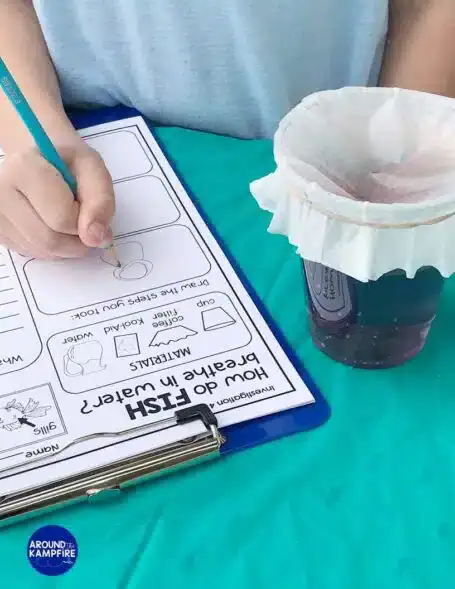
This fish breathing experiment helps preschoolers explore how fish get oxygen from water. Through simple observations and hands-on learning, children can build science vocabulary while learning more about ocean animals and underwater adaptations.
This water pollution experiment helps preschoolers explore how pollution affects oceans and waterways. As children observe changes in the colored water and flowers, they build observation skills and begin learning about caring for marine environments through simple hands-on science.
This colorful Skittles science experiment gives preschoolers a simple way to explore water movement and color mixing. As the candy colors spread across the plate, children practice observation skills and learn about dissolving and patterns through hands-on STEM play.
This salt water experiment helps preschoolers explore why some objects float while others sink in the ocean. As children test colorful objects in fresh and saltwater, they practice prediction, observation, and early STEM skills through hands-on learning.
This ocean zones jar helps preschoolers explore the different layers of the ocean with colorful water and simple visuals. As children observe the layers from sunlight to the deep ocean trench, they build vocabulary and learn more about ocean habitats through hands-on science exploration.
This frozen ocean activity gives preschoolers a fun way to explore ice, melting, and sensory play with ocean-themed materials. As children investigate the frozen ocean scene, they practice observation skills and learn about temperature changes through hands-on STEM exploration.
This seashell science experiment helps preschoolers explore how ocean shells react to different liquids. As children observe changes to the shells, they practice prediction and observation skills while learning more about ocean materials through hands-on STEM activities.
This diving fish experiment gives preschoolers a fun way to explore water pressure and movement. As children squeeze the bottle to make the fish move up and down, they practice observation and prediction skills through hands-on ocean-themed science play.
This ocean pollution activity helps preschoolers learn about caring for oceans and marine life through hands-on play. As children clean the polluted water and rescue the toy boat, they practice problem-solving, observation, and early environmental science skills.
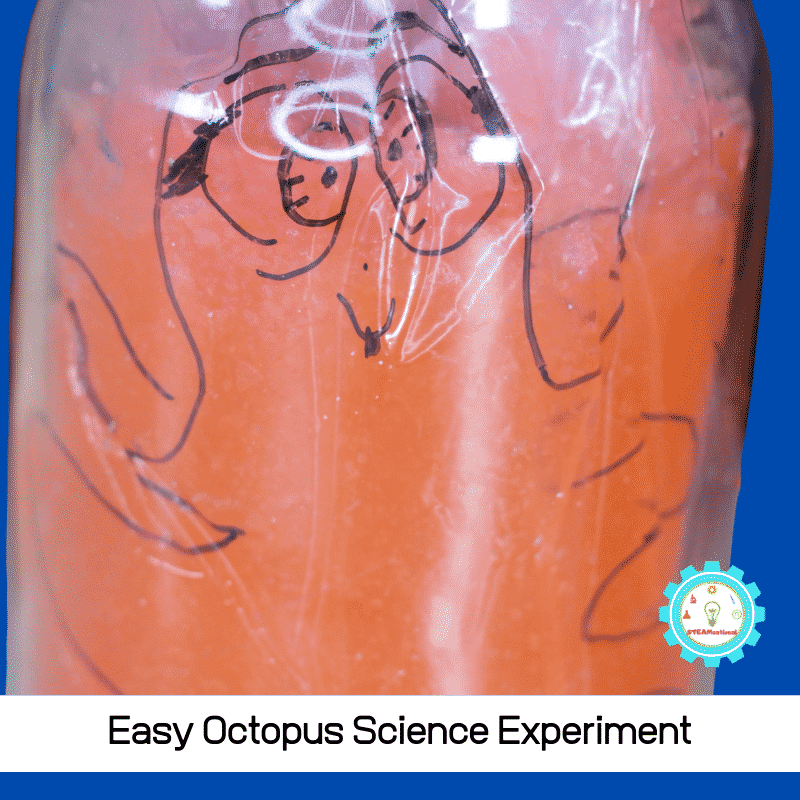
This octopus science experiment gives preschoolers a fun way to explore movement and simple chemical reactions. As children watch the octopus move through the water, they practice observation skills and learn about cause and effect through hands-on STEM play.
This underwater volcano experiment helps preschoolers explore how underwater eruptions can affect the ocean. As children watch the colorful reaction move through the water, they practice observation and prediction skills through hands-on science exploration.
These activities are designed for preschoolers ages 3–5, with adult supervision. Many can also be adapted for toddlers or early elementary school kids.
What supplies are needed for ocean science activities?
Most experiments use simple items, such as water, oil, or salt. Feel free to substitute where needed or skip steps that require hard-to-find supplies.
How do I explain science to young kids?
Keep it simple and hands-on! Use clear language like “sink or float” or “warm water moves faster” — focus on what they can see and touch.
Exploring the ocean through hands-on science is a fantastic way to spark curiosity, build foundational STEM skills, and make learning fun for preschoolers. Whether you’re observing sinking seashells, cleaning up pretend oil spills, or creating a swirling ocean in a bottle, each activity invites your little learners to ask questions, make predictions, and discover something new.
We hope these ocean science experiments bring waves of excitement to your home or classroom. Don’t forget to follow your child’s lead — the best learning often starts with a splash of curiosity and a little bit of mess!
Tara is the brains behind Homeschool Preschool, where her journey from preschool and public school teacher to homeschooling mom of three fuels her passion for early childhood education. With a blend of expertise and firsthand experience, Tara’s writings offer practical tips and engaging resources to support families in creating meaningful learning adventures at home.