Ocean STEM activities make the perfect addition to any preschool ocean theme unit. When kids are already excited about fish, waves, and sea creatures, that curiosity becomes the best possible starting point for hands-on science and math exploration.
The activities in this collection are simple to set up and use materials you likely already have at home. No complicated prep. No expensive supplies. Just meaningful learning through play.
Whether you are planning a full ocean unit or just looking for one great activity to try this week, you will find something here that works. Let’s dive in.
Ocean STEM Activities for Preschoolers
The best ocean STEM activities for preschoolers use simple materials to explore science, math, and engineering concepts through ocean themes. Top options include ocean sensory bins, sink-or-float experiments, ocean density jars, color sorting activities, and ocean-themed counting games. Each activity builds early STEM skills while reinforcing ocean vocabulary and curiosity about marine life.
Ocean Skittles Science Experiment
Arrange Skittles around a plate, add warm water, and watch the colors dissolve and swirl together. This simple experiment introduces preschoolers to the concepts of color mixing and solubility using nothing but candy and water. It is one of those activities kids ask to do again and again.
Fill a zip-top bag with blue hair gel and small ocean toys for a mess-free sensory experience kids can explore again and again. Preschoolers can squish, press, and move the sea creatures around without getting their hands wet. It is a great option for quiet time or independent play.
Ocean Sensory Bin[Image]Fill a bin with water beads, toy sea creatures, and coral pieces for an immersive ocean world preschoolers can explore with their hands. The texture of the water beads alone keeps kids engaged while they build ocean vocabulary and practice imaginative play. Set it up once and it will entertain for days.
Ocean Zone Density Jar[Image]This stunning experiment uses liquids of different densities to recreate the layers of the ocean in a jar. Preschoolers can see how the ocean is divided into zones just by watching the layers separate and settle. It is a beautiful visual that sparks great conversation about what lives in each part of the ocean.
Clean Water Experiment[Image]This experiment challenges kids to filter dirty water using simple materials like sand, gravel, and cloth. It is an early introduction to environmental science and teaches preschoolers why keeping our oceans and waterways clean matters. Simple to set up and packed with real-world meaning.
Fill a bottle with water, baby oil, and blue food coloring and watch it transform into a miniature ocean that moves with every tilt. Preschoolers can explore the science of oil and water while enjoying a calming, wave-like sensory experience. It doubles as a beautiful calm-down tool once the activity is done.
Layer sand, water, oil, and small sea creature toys inside a mason jar to build a miniature ocean complete with a seafloor, water column, and sky. Preschoolers love adding the animals and watching each layer settle into place. It is a hands-on way to introduce ocean habitats and spark conversation about where different sea creatures live.
This sparkly blue slime sets the perfect scene for ocean imaginative play. Add small sea creature toys and let preschoolers explore the stretchy, squishy texture while telling stories about life under the sea. It is a great way to sneak in science concepts like states of matter through sensory play.
Fill a mason jar with blue water, small rocks, and aquatic plants for a calming ocean scene kids can shake and watch settle. Preschoolers are naturally drawn to the swirling motion and the way the materials drift back into place. It is a simple setup that doubles as a great focus tool during circle time or transitions.
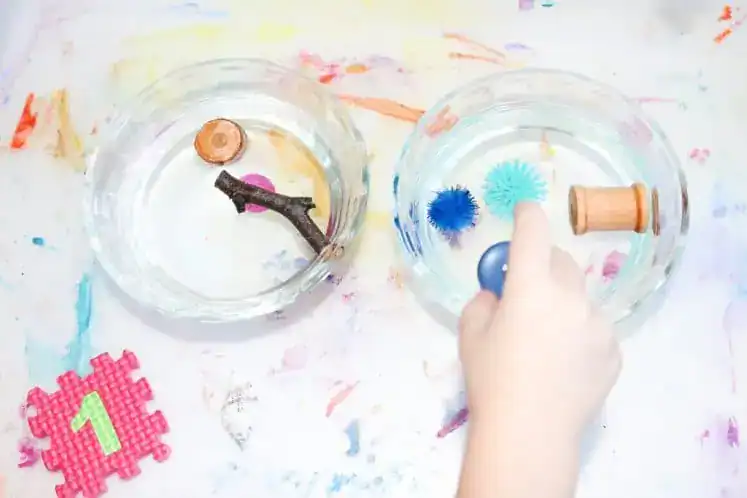
Gather a handful of ocean-themed objects, fill a tub with water, and let your preschooler predict what will sink and what will float. This classic science experiment builds observation and prediction skills while introducing basic physics concepts in a completely hands-on way. It is one of the easiest setups in this whole collection.
Kids choose an ocean animal, learn a few simple facts about it, and then build its underwater habitat using paper, tape, and craft supplies. This open-ended activity combines early research skills with creative engineering in a way preschoolers can fully own. It is a great anchor project for a multi-day ocean unit.
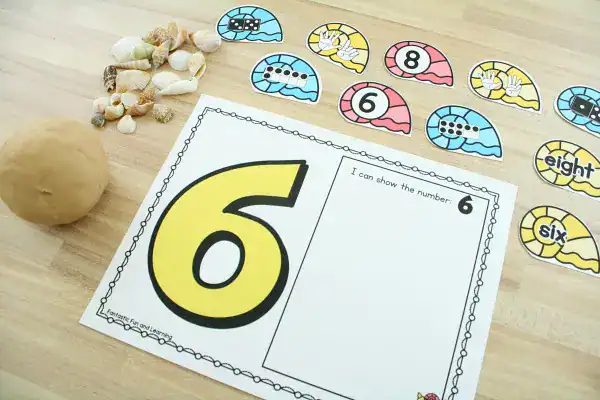
These printable math mats pair beautifully with real seashells to give preschoolers a hands-on way to practice counting and number recognition. Kids match shells to numbers, build quantities, and explore multiple representations of each number all in one activity. A simple setup that packs in a lot of early math learning.
Kids use non-standard units like cubes or paper clips to measure toy fish and compare their lengths. This activity introduces early measurement concepts in a playful, ocean-themed context that feels more like a game than a lesson. It is a great way to build math vocabulary like longer, shorter, and the same size.
With 13 ocean STEM activities to choose from, there is something here for every preschooler and every schedule. Whether you have five minutes or an entire afternoon, these activities make it easy to bring hands-on science, math, and sensory exploration into your ocean unit.
Pick one that fits your supplies and your child’s mood today. That is really all it takes to get started.
Tara is the brains behind Homeschool Preschool, where her journey from preschool and public school teacher to homeschooling mom of three fuels her passion for early childhood education. With a blend of expertise and firsthand experience, Tara’s writings offer practical tips and engaging resources to support families in creating meaningful learning adventures at home.





Thank you for these amazing ideas.