
Camping STEM Activities for Preschoolers
Camping STEM activities for preschoolers turn the great outdoors into a hands-on classroom for little learners ages 3 to 5. Whether you are heading out on a real camping trip or running a camping activities for kids theme week at home, these ideas cover science, math, engineering, and nature exploration — no experience required.

What Are Camping STEM Activities for Preschoolers?
Camping STEM activities for preschoolers are hands-on science, engineering, and nature exploration activities tied to a camping theme. They work best for children ages 3 to 5. Most use simple materials like sticks, soil, and water to build early science skills. These activities work for real camping trips, backyard campouts, and preschool camping theme weeks.
Camping Science Activities for Preschoolers
Camping is the perfect backdrop for preschool science — there is something to observe, investigate, and wonder about everywhere you look.
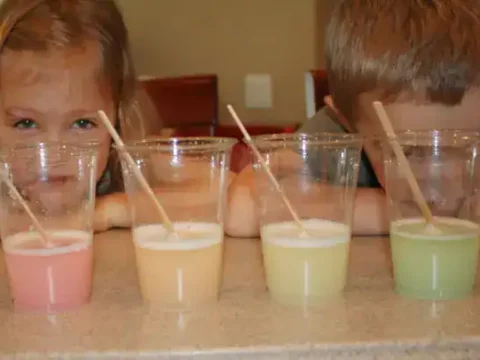
Preschoolers use marshmallows to explore simple science concepts like sink or float, absorption, and compression. It is a playful, low-prep activity that builds early observation and prediction skills around the campfire favorite.
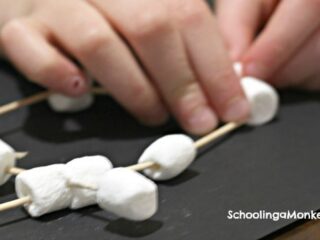
Preschoolers use marshmallows and toothpicks to build their own constellation shapes while learning about the night sky. It is a simple engineering and astronomy activity that connects perfectly to an evening campfire or stargazing session.
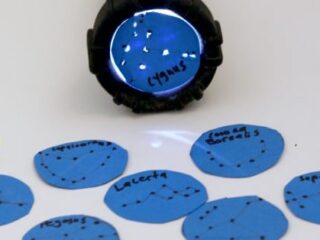
Preschoolers use a pin-poked paper circle placed over a flashlight to project constellation patterns onto a tent wall or ceiling. It builds early astronomy awareness and fine motor skills while making nighttime at the campsite feel magical.
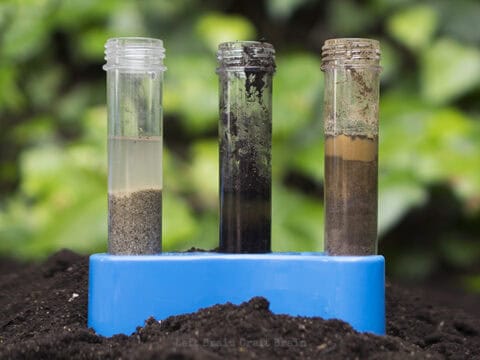
Preschoolers collect soil samples and observe how different types of dirt look and behave when mixed with water. It introduces early earth science concepts like texture, color, and composition using materials found right at the campsite.
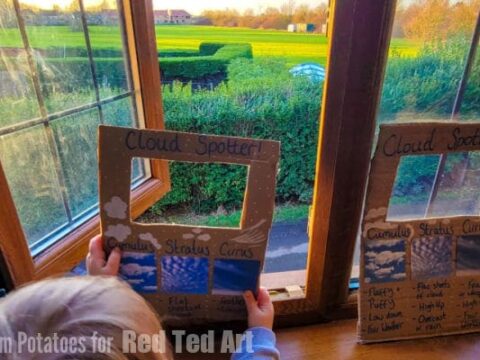
Preschoolers make a simple cardboard cloud spotter tool and use it to identify cumulus, stratus, and cirrus clouds in the sky above the campsite. It builds early weather science vocabulary and observation skills using nothing but recycled cardboard and the view overhead.
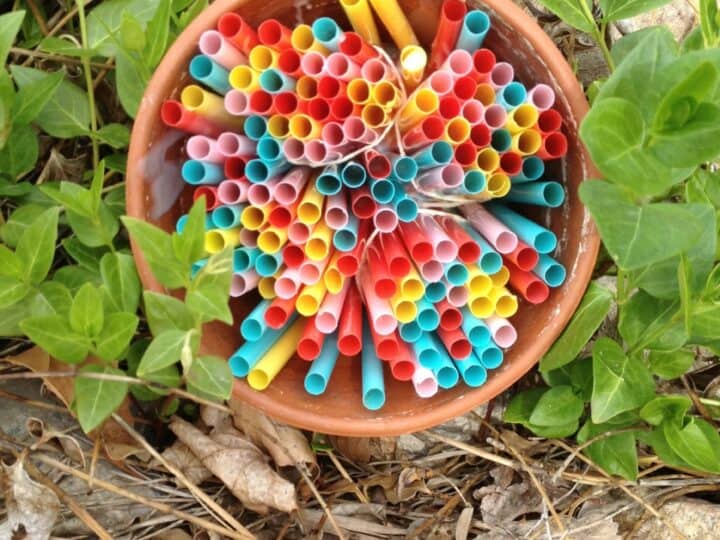
Preschoolers build a small habitat using natural materials and hollow tubes to create a shelter where insects can live. It introduces early life science concepts like animal habitats and environmental stewardship in a hands-on, campsite-friendly way.

Preschoolers set out different foods near an ant trail and observe which ones the ants are most attracted to. It builds early scientific thinking skills like predicting, observing, and drawing simple conclusions from what they see.
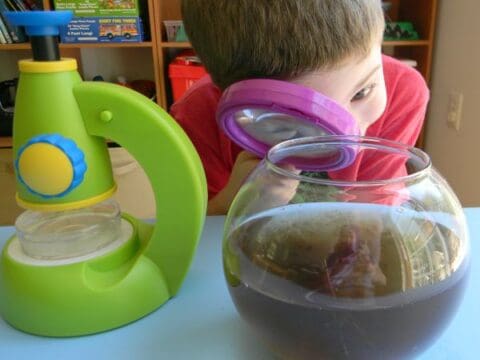
Preschoolers collect a sample of pond water and use a magnifying glass to look for tiny living things hiding inside. It introduces early biology and nature observation skills using a resource that is right there at the campsite.
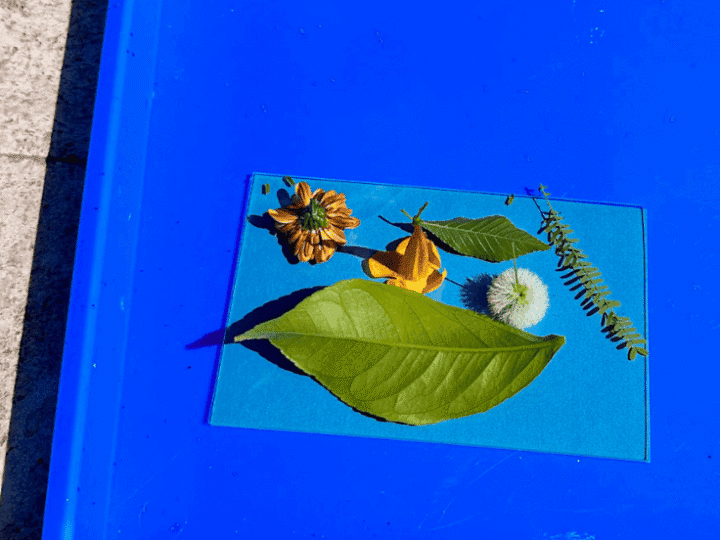
Preschoolers arrange leaves, flowers, and sticks on sun-sensitive paper and let the sunlight create a nature print. It introduces early science concepts like light, shadow, and UV exposure while doubling as a beautiful keepsake from the camping trip.
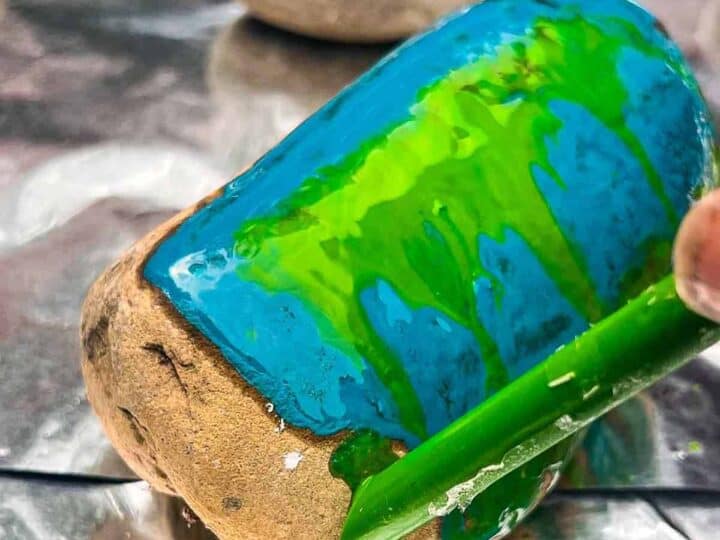
Preschoolers hold crayons against a sun-warmed rock and watch them melt into colorful streaks as they draw. It introduces the science concept of heat transfer while producing a one-of-a-kind piece of camp art.
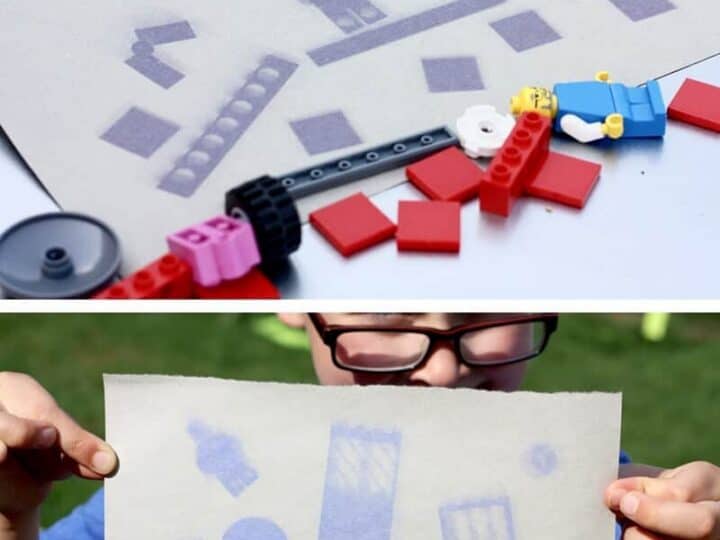
Preschoolers arrange LEGO pieces on sun-sensitive paper and leave them in the sunlight to create shadow prints. It introduces concepts of light and shadow while giving kids a hands-on way to explore how the sun interacts with objects.
Camping Engineering Activities for Preschoolers
Engineering challenges are a natural fit for the campsite. Preschoolers can build, test, and problem-solve using nothing but the materials around them.
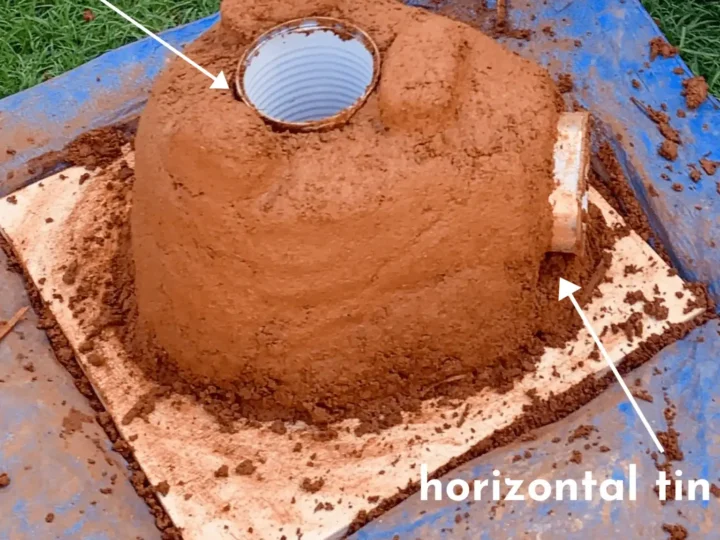
Preschoolers help pack clay or mud around tin cans to build a simple rocket stove structure, exploring how shape and airflow work together. It is a satisfying mud play engineering challenge that introduces basic concepts of design and heat management in a totally hands-on way.
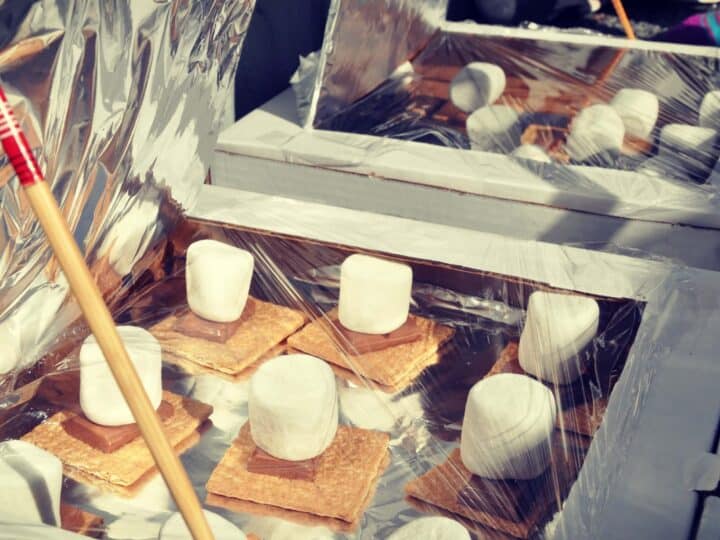
Preschoolers help build a simple solar oven from a pizza box lined with foil, then use it to melt s'mores using only the power of the sun. It introduces the engineering design process alongside real science concepts like solar energy and heat transfer.
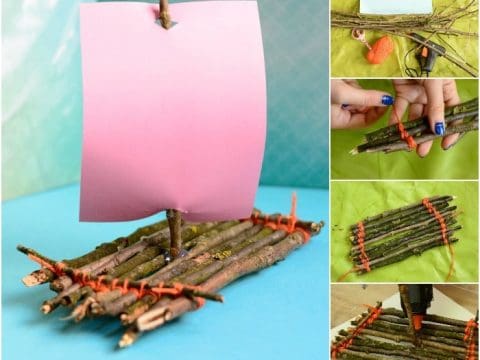
Preschoolers collect twigs and bind them together to build a small floating boat, then test it on a stream, puddle, or bucket of water. It introduces engineering concepts like buoyancy and structural design using only materials gathered right from the campsite.
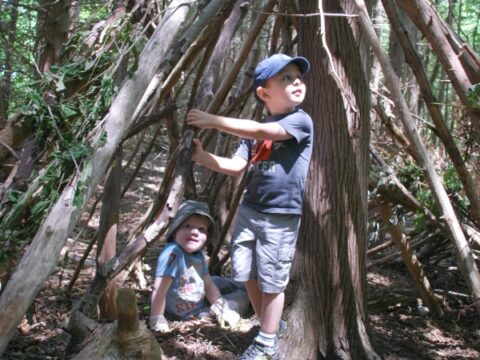
Preschoolers gather sticks and branches to construct a freestanding shelter structure in the woods, testing different arrangements to see what holds together. It builds early engineering thinking around stability, balance, and structural design in the most natural setting possible.

These camping STEM activities for preschoolers turn every part of your camping trip into a learning opportunity. The pond, the dirt, the night sky — it is all a classroom. Best of all, most of these activities use materials already around you. Pick one or two that fit your child and setting. Then let their curiosity take it from there.

Tara is the brains behind Homeschool Preschool, where her journey from preschool and public school teacher to homeschooling mom of three fuels her passion for early childhood education. With a blend of expertise and firsthand experience, Tara’s writings offer practical tips and engaging resources to support families in creating meaningful learning adventures at home.


